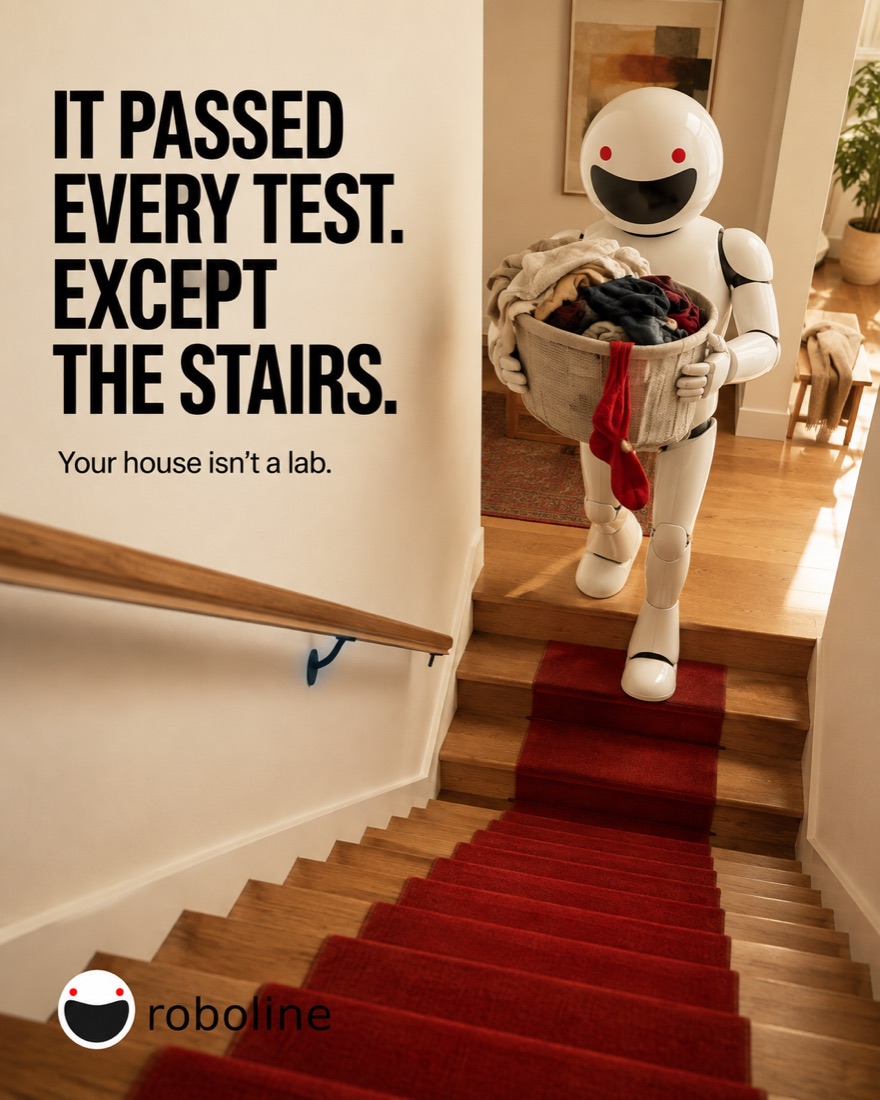
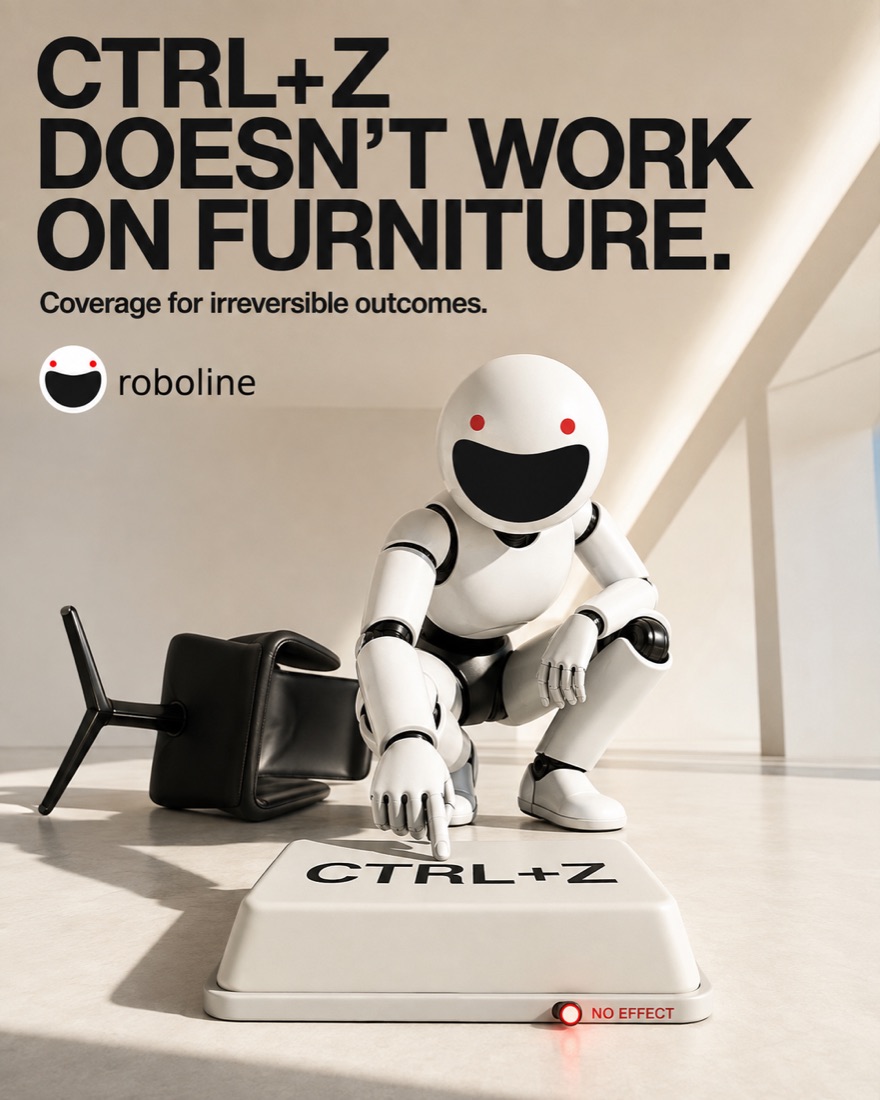
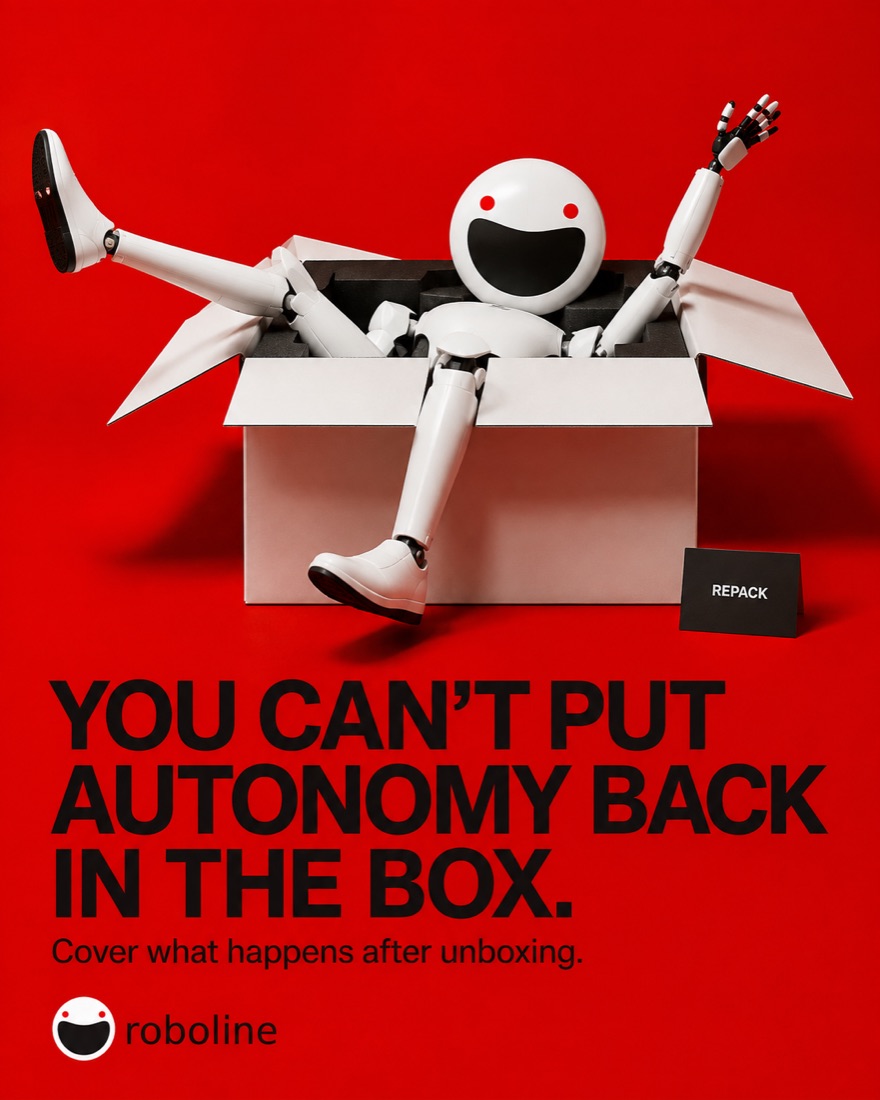
Every robot and every AI system in production is now an uninsured defendant. Standard policies are excluding it; courts are charging for it; nobody has a published price for it. We are building the carrier for the autonomy economy — starting with the cover the incumbents just deleted.
In January 2026 ISO published generative-AI exclusion endorsements for US commercial general liability — CG 40 47, 40 48, 35 08. More than sixty insurance groups have filed with state regulators around adopting them. W. R. Berkley went further, with absolute AI exclusions reaching D&O and E&O. According to reporting, regulators have approved the large majority of those filings.
Steam boilers kept exploding until the inspection movement became an insurer — Hartford Steam Boiler, 1866. Electricity was a fire risk until the underwriters funded a laboratory and put their name on it: Underwriters Laboratories. The car became an economy only after motor cover became compulsory. The cloud waited for cyber. Autonomy is the next wave, and today it is uninsurable at scale. That is not a side effect of adoption — it is the throttle on it.
An insurer prices what it cannot measure by leaving, and that is what the ISO endorsements are: a market-wide retreat, filed with regulators, on a renewal schedule. The carve-back sells into the exact shape of that hole — defined by reference to the exclusion itself.
First contractually — customers write it into MSAs, and we published the clause they use. Then structurally, the way machines among people have always been handled: permits, statutes, certificates. Motor insurance is the largest line on earth because it is required, not because driving is uniquely dangerous. Compulsion converts a market from persuasion to participation.
Insurance is the only business that is paid to see the losses first. Every policy we bind is a telemetry contract; credibility compounds into pricing power; and the endgame is not selling the most policies — it is being the float and the rating layer the rest of the market prices against.
Four clocks are striking at once: the exclusions attached in 2026, the case law arrived in 2024–25, the humanoid capex cycle is funded, and Japan has already put a class of commercial robots outside its compulsory regime entirely. We did not pick this moment. It picked the category.


The largest dedicated AI limit on the market is about $25M. The largest AI-attributed loss on record is $1.5B. Same risk class, same year.
We cover what your GL would have covered but for the AI exclusion scheduled on it. Defined by reference, follow-form to the underlying. No wording to negotiate, nothing to educate — the broker already has to deliver the bad news; we hand them the answer.
Rated as a share of the GL premium it restores. Precedent: the standalone terrorism market that formed inside a year of the 2002 exclusions.
Model liability, agentic operations, IP, interruption, injection, regulatory defence. Priced on what the system is allowed to do without a human — and on how much it can lose before someone notices.
The circuit-breaker delta: 3.7× between a capped and an uncapped agent at a $1m limit. Same company, same revenue. That delta funds the engineering several times over.
Humanoid and fleet liability plus agreed-value machine cover, rated per autonomous hour from telemetry. A supervised humanoid pilot prices at $17,076 per unit-year today — and the rate falls as the fleet proves itself, which is the only incentive that matters.
Roboline Home bundles every embodied machine in a house under one deductible. Today a distribution position; the day the humanoid arrives, a product.
Insurance lines get big in exactly one way: somebody writes the vocabulary the requirement gets written in. We have already published three.
ARC — the classification: autonomy tiers, operating domains, safety signals, incident severity, the robot-hour. RIC — the requirement: a carrier-neutral clause a buyer puts in an MSA so a vendor's indemnity is backed by someone who can pay. RB — the rating basis: every factor that prices autonomy, labelled measured, borrowed or judgment.
All three are free, CC BY 4.0, and usable against us. That is the point: a standard only one company can satisfy gets struck by counsel. One that anyone can satisfy gets adopted — and whoever wrote it sets the price.
The moat is the data. Every policy we bind carries telemetry. Credibility — in the actuarial sense — is a function of exposure observed, and we will have seen more autonomous hours than anyone by the time the first hard market arrives.



We modelled four worlds and we label them correctly. BASE follows Goldman's humanoid forecast. BULL follows Morgan Stanley's. An investor in this round is underwriting humanoid adoption, and we would rather say so than let you find out.
| Year | BASE GWP | BASE EBITDA | BULL GWP | BULL EBITDA |
|---|---|---|---|---|
| 2028 | $19.4m | −$10.4m | $32.1m | −$9.4m |
| 2031 | $77.9m | −$13.8m | $245.9m | −$326,025 |
| 2036 | $590.8m | −$28.5m | $6.04bn | $39.9m |
| 2046 | $2.43bn | $184.1m | $48.39bn | $5.02bn |
| 2056 | $3.55bn | $270.1m | $53.24bn | $5.96bn |
Seed gets us to the milestones a carrier partner and a Series A need to see: bound accounts with telemetry, a first full accident year, two carrier relationships, and the standard cited in contracts we did not write.
Fronting carrier and quota-share reinsurance in place · first 1/1 renewal wave written · 150+ accounts bound with telemetry · renewal kit live with two wholesale brokers.
Japan entity writing · first full accident year closing · ARC referenced in at least three third-party MSAs or regulatory comments · humanoid pilot fleets on risk.
$10M+ GWP run-rate · loss-ratio history that prices the next round · the carrier plan, with a date.
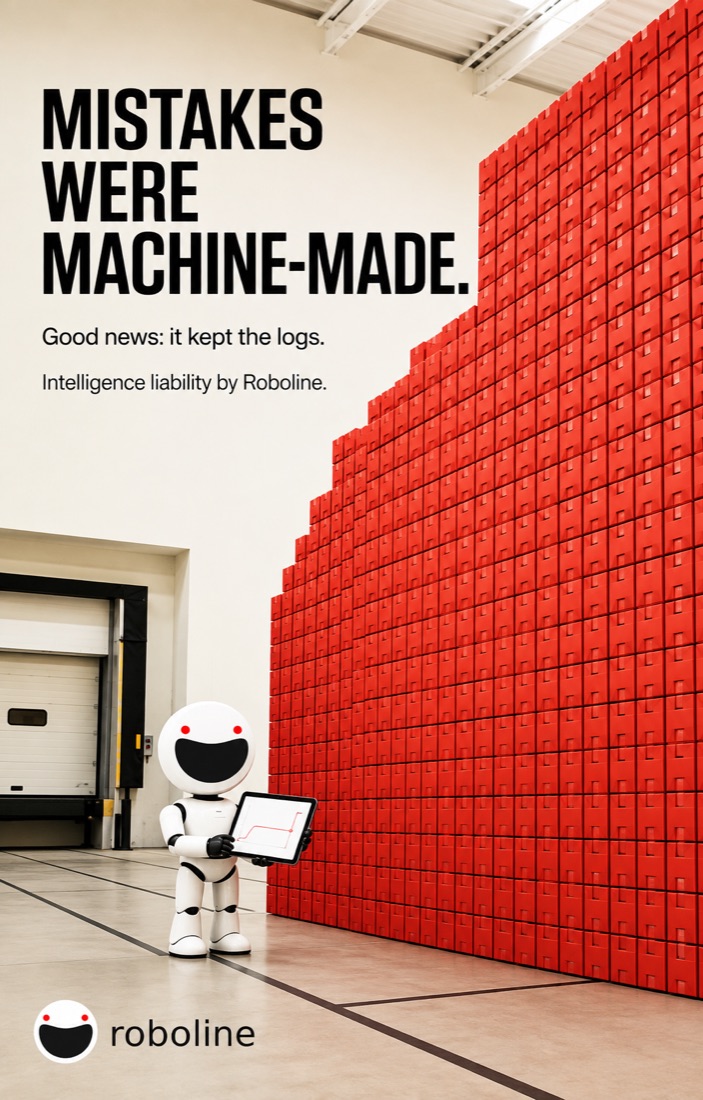
Twenty-nine posters, three films, one face. The robot does nothing wrong in any of them. Everything around it does.
The autonomy economy will get its insurance layer the way motor got one: somebody writes the standard, somebody writes the requirement, and the premium follows the requirement. We have written both. Fund the book.
The model, the memos, the simulation, the GTM plan, and the parts of the build that are not on the website. We reply within a business day.